Sustainable Travel 101: How to Explore the World Without Harming It
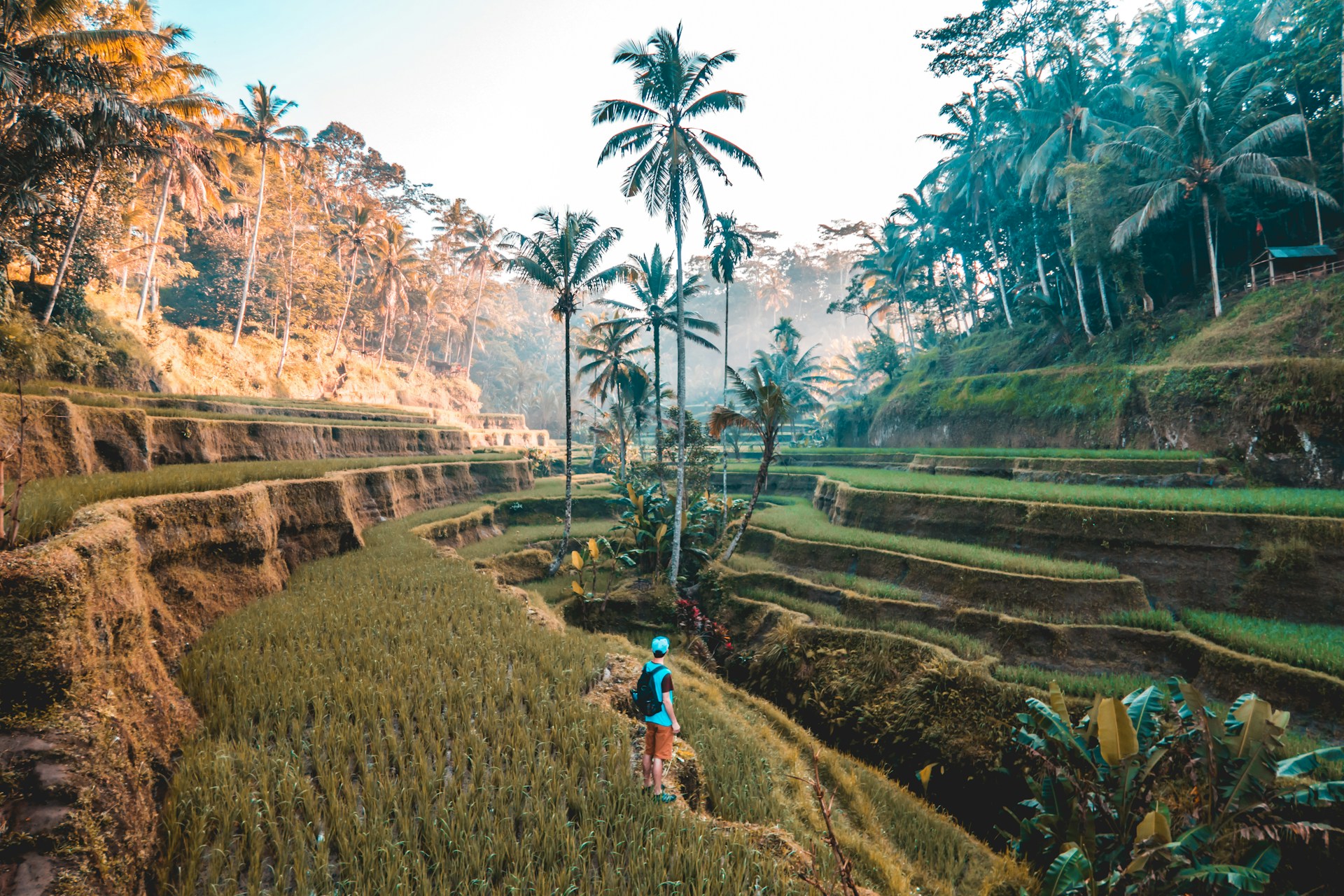
Travel opens doors to new cultures, landscapes, and experiences—but it also leaves a footprint on the planet. As tourism grows, so does its impact on climate change, wildlife, and local communities. The good news? Sustainable travel is easier than you think.
In this guide, we’ll show you how to explore the world responsibly, ensuring your adventures leave a positive impact—not a trail of harm. Let’s dive into eco-friendly travel tips that protect the planet and enrich your journey.
Why Sustainable Travel Matters
Tourism accounts for 8% of global carbon emissions, and overtourism threatens fragile ecosystems and cultural heritage. Sustainable travel helps:
✅ Reduce carbon emissions from flights and transport.
✅ Support local economies and preserve traditions.
✅ Protect wildlife and natural habitats.
Step 1: Plan Your Trip with the Planet in Mind
Choose Eco-Friendly Destinations
Opt for places committed to sustainability, such as:
- Costa Rica (carbon-neutral by 2050).
- Bhutan (measures success by Gross National Happiness).
- Slovenia (Europe’s greenest country).
Travel Off-Season
Avoid peak tourist times to reduce strain on resources and enjoy a more authentic experience.
Book Direct Flights
Takeoff and landing produce the most emissions. If you must fly, choose direct routes and economy class (it’s more fuel-efficient per passenger).
Step 2: Pack Light and Green
Essentials for Sustainable Travel
- Reusable water bottle (avoid single-use plastics).
- Solar-powered charger (reduce energy waste).
- Eco-friendly toiletries (biodegradable soap, bamboo toothbrush).
- Clothing made from sustainable materials (organic cotton, recycled fabrics).
Pack Light
Heavier luggage = higher fuel consumption. Stick to a carry-on when possible.
Step 3: Choose Green Accommodations
Stay in Eco-Friendly Lodging
Look for certifications like:
- Green Key (global eco-label).
- LEED Certification (sustainable buildings).
- EarthCheck (environmental management).
Support Local Guesthouses
Staying with locals keeps money in the community and offers a more authentic experience.
Step 4: Reduce Your Carbon Footprint on the Road
Use Public Transport or Walk
- Trains, buses, and bikes produce far fewer emissions than cars or planes.
- Walking tours let you explore cities sustainably.
Offset Your Carbon Emissions
If flying is unavoidable, offset your footprint with programs like:
- Gold Standard (supports renewable energy projects).
- MyClimate (invests in climate protection).
Step 5: Support Local Communities
Eat and Shop Locally
- Dine at family-owned restaurants (avoid international chains).
- Buy handmade souvenirs from local artisans.
Respect Cultural Traditions
- Dress modestly in religious sites.
- Learn a few phrases in the local language.
- Ask permission before taking photos of people.
Step 6: Protect Wildlife and Nature
Avoid Animal Tourism
Say no to activities that exploit animals, such as:
- Elephant rides.
- Tiger temples.
- Swimming with dolphins in captivity.
Stick to Marked Trails
Hiking off-path can damage ecosystems. Follow Leave No Trace principles:
- Pack out all trash.
- Stay on designated trails.
- Respect wildlife from a distance.
Step 7: Travel Slowly and Mindfully
Stay Longer in Fewer Places
"Slow travel" reduces transport emissions and lets you connect deeply with a destination.
Volunteer Responsibly
If you want to give back, choose ethical volunteer programs that empower locals (e.g., teaching, conservation).
Final Thoughts: Be a Responsible Traveler
Sustainable travel isn’t about perfection—it’s about making conscious choices that minimize harm and maximize positive impact. By traveling responsibly, you’re not just exploring the world; you’re helping preserve it for future generations.
Ready to travel greener? Start with one small change—whether it’s packing a reusable bottle or choosing an eco-friendly hotel—and watch your adventures become more meaningful than ever.
What’s your favorite sustainable travel tip? Share in the comments!
Latest Articles








Latest Updates in Online Courses and Education.
Europe’s iconic cities and landmarks are undeniably stunning, but the real magic lies in its hidden corners—the places where locals...
Read MoreDreaming of exploring the world but worried about the cost? Backpacking is the ultimate way to travel longer, experience more,...
Read MoreHistory isn’t just in textbooks—it’s alive in the streets, monuments, and traditions of the world’s most captivating cities. Whether you’re...
Read MoreTraveling alone as a woman is one of the most empowering, liberating, and transformative experiences you can have. But let’s...
Read MoreIf you believe the heart of a culture lies in its food, then street food markets are its beating pulse....
Read MoreThe digital nomad revolution is in full swing, and 2026 is shaping up to be the best year yet for...
Read MoreIf you live for adrenaline rushes and unforgettable thrills, this adventure travel bucket list is for you. We’ve scoured the...
Read MoreTraveling with kids can feel like herding cats, but it doesn’t have to be! With the right destinations and smart...
Read MoreExploring the Ancient World: Bible History & Archaeology
Uncover the people, places, and events that shaped biblical and ancient history.
Dive into a rich collection of resources on ancient civilizations, biblical archaeology, and historical contexts. From the empires of Babylon and Assyria to the life of Jesus and the early church, discover maps, timelines, commentaries, and scholarly insights that bring the ancient world to life. Explore the intersection of faith, history, and archaeology with our curated articles, maps, and studies.